
Expert Picks For Essential Baseboard Repair Supplies
Find out which tools and materials professionals recommend for efficient and long-lasting baseboard restoration projects.
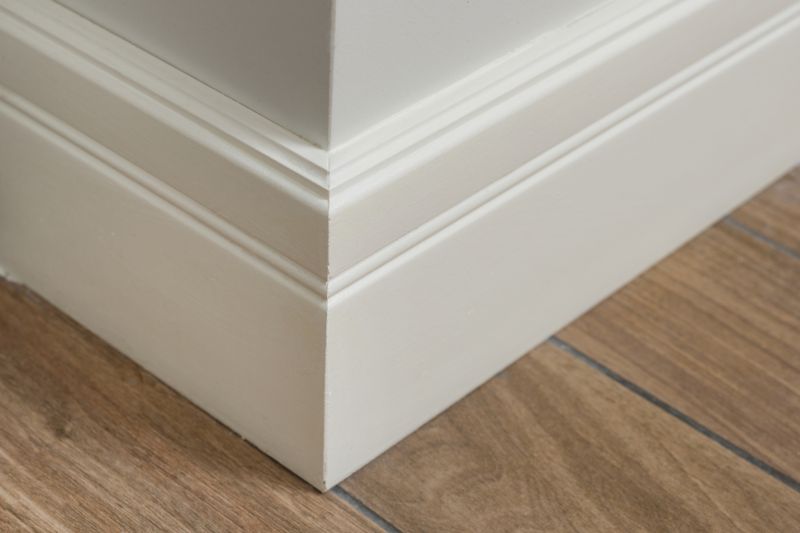 Baseboard repairs are a common aspect of maintaining and restoring the aesthetic and structural integrity of interior spaces. Over time, baseboards can become damaged due to impacts, moisture, or general wear and tear. Addressing these issues effectively requires selecting the right products, which can vary based on the type of damage and the desired finish. Repairing baseboards not only improves the appearance of a room but also helps protect walls from further damage and pests.
Top Overall Option
Multi-Purpose Wood Filler and Repair Compound
A versatile repair compound designed for filling cracks, gouges, and holes in wood and composite baseboards. It offers excellent adhesion, smooth application, and can be sanded, stained, or painted over to match existing finishes. Ideal for both minor touch-ups and larger repairs, this product simplifies the restoration process with reliable performance.
Types of Products For Baseboard Repairs
Wood Filler and Putty
Used for filling small cracks, holes, and gouges in wooden baseboards, providing a smooth surface for finishing.
Epoxy Repair Kits
Two-part epoxy compounds ideal for repairing larger damages or broken sections, offering strong adhesion and durability.
Patching Compounds
Ready-mixed compounds suitable for filling gaps and smoothing out uneven surfaces on various baseboard materials.
Sandpaper and Abrasives
Essential for smoothing repaired areas to ensure seamless blending with existing trim.
Adhesive Glues and Cements
Used for reattaching loose or detached baseboard sections securely.
Primer and Sealants
Help prepare repaired areas for painting or staining, ensuring better adhesion and finish quality.
Paint and Stain
Final finishing products to match the repaired section with the existing decor.
Replacement Baseboards
Pre-cut or custom sections for replacing severely damaged or missing baseboard segments.
Nail and Screw Sets
Fastening hardware for securing baseboards during installation or repair.
Caulk and Sealant Guns
Tools for applying sealants to gaps and joints for a clean, finished look.
Popular Choices
A commonly used product for minor repairs, compatible with various wood types and finishes.
Popular for fixing larger damages and structural repairs on baseboards.
Convenient options for quick filling and smoothing of surface imperfections.
Widely used for preparing repaired surfaces for finishing touches.
Trusted for reattaching loose or broken sections securely.
Essential for preparing surfaces before painting or staining.
Available in various colors and finishes to blend repairs seamlessly.
Available as pre-cut pieces for quick swaps in damaged areas.
Popular fasteners for securing baseboards during repairs.
Commonly used for sealing joints and gaps for a tidy appearance.
When undertaking baseboard repairs, it is important to assess the extent of the damage. Minor nicks and scratches can often be remedied with simple touch-up products, while larger gouges or broken sections may require more substantial materials such as replacement boards or specialized repair compounds. Proper preparation, including cleaning and sanding, ensures that repair products adhere well and produce a seamless finish.
Choosing the appropriate repair products depends on various factors including the material of the existing baseboard, the type of damage, and the desired final look. For example, wood-based baseboards might require wood fillers or putties, whereas MDF or plastic options may need different adhesives or patching compounds. Additionally, finishing products like paint or stain are essential for blending repairs with the surrounding trim. Investing in versatile, high-quality repair products can make the restoration process more straightforward and yield more professional results.
Key Buying Considerations
- Material compatibility: Ensure the repair product is suitable for the existing baseboard material, whether wood, MDF, or plastic.
- Type of damage: Choose products appropriate for the extent of the damage, from minor scratches to large gouges or broken sections.
- Finish compatibility: Select fillers and compounds that can be sanded, stained, or painted to match the surrounding trim.
- Ease of application: Consider user-friendly options that are easy to apply and smooth out, especially for DIY projects.
- Drying and curing time: Be aware of how long products take to dry or cure before finishing or painting.
- Adhesion qualities: For reattaching loose sections, opt for strong adhesives that bond well with the baseboard material.
- Flexibility and durability: Select products that can withstand slight movements or impacts after repair.
- Color matching: Use paints or stains that can be blended to match existing baseboard colors for seamless repairs.
- Environmental conditions: Consider products that perform well under typical indoor conditions, including humidity and temperature.
- Cost and quantity: Balance the quality and quantity needed to complete your project within your budget.
- Brand reputation: While avoiding specific brand mentions, look for products with positive user reviews and reliable performance.
- Tools required: Check if additional tools like sanders, putty knives, or brushes are needed for application.
- Finish type: Decide whether a matte, semi-gloss, or gloss finish is desired for the repaired area.
- Long-term performance: Consider the longevity of the repair product to minimize future repairs.
- Safety and VOC content: Opt for low-VOC or non-toxic options if indoor air quality is a concern.
This page contains affiliate links. We may earn a commission from qualifying purchases to support our content.